
How Much Does It Cost To Screed A Floor?
Screed is a great solution for numerous flooring applications and projects. It creates a level and durable surface that can be used with a variety of floor types and can also be used to cover underfloor heating.
If you’re considering screeding a floor in the near future, the question “how much to screed a floor” will likely be on your mind. Your next question may be which type of screed will be the most suitable for your project.
In this article, we’ll give you the lowdown on what can affect screeding costs, the cost of applying different screed types, and how to choose the best screed for the job at hand.
What Factors Can Affect Screeding Cost?
As with most renovation projects, the materials used can put the final say on the total cost. While labour costs are usually set by the hour, the cost of materials can differ depending on the quality, quantity, and method of application required. Floor screed is no exception. Factors that can affect screeding cost include the following:
- Screed type
- Screed depth
- Floor size
- Installation process
- Drying time
Screed Type
There are many types of screed but three types generally dominate the industry—traditional sand and cement, quick-drying, and liquid or flowing screed. Each type of screed will be priced differently due to its characteristics and attributes. As a rule of thumb, liquid screed is typically more expensive than traditional sand and cement screed.
Screed Depth
The depth or thickness of your screed will also affect the final cost. The thicker the layer of screed, the higher the cost will be. The thickness of your screed will depend on the requirements of the project and will take various factors into account, such as whether the floor will need to bear heavy loads or frequent foot traffic.
Floor Size
The size of the floor to be screeded will also affect the cost. Screeding costs are calculated per meter squared. Therefore, the larger the total area of the floor to be screeded, the higher the cost will be.
Installation Process
When calculating the cost of a screeding project, the type and depth of the screed are not the only factors to consider. We also need to consider the installation process. Screed can be applied in a number of ways, including fully bonded, floating, and unbonded applications. Which method is used will depend on the nature of your project.
Drying Time
Some screeds, such as quick-drying screeds take less time to dry than others. Typically, longer drying times push up the time it takes to complete the job and the cost, too.
Screed Types and Their Approximate Costs
As mentioned previously, the biggest factor when calculating screeding costs is the type of screed being used. Below we include the costs of each type of screed along with their advantages.
These prices are approximate estimates and are valid at the time of writing. They should give you a rough idea of what you can expect to pay. We’d be delighted to provide you with a more accurate quote for your screeding project.
Liquid Screed
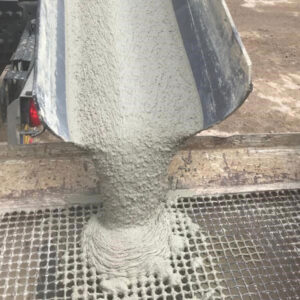
Liquid screed is designed to create a level and smooth surface ready for the application of the final floor finish. It can be used unbonded, bonded, and floated and is the perfect solution for covering underfloor heating.
The cost to install liquid screed is approximately £19 – £24 per m2.
Liquid screed offers the following advantages:
- Less labour-intensive and over 10 times faster to apply than traditional sand and cement screed
- The screed depth doesn’t need to be as thick as other screeds. This means reduced drying times and weight
- Many liquid screeds can be walked on within 24 hours of application. This is beneficial if other trades need to gain access to the site to continue work
- Produces a smooth and level surface and is easy to work with
- Can be used with underfloor heating and helps to ensure the even distribution of heat
Sand and Cement
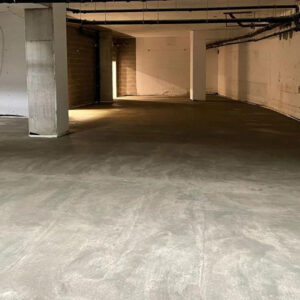 Sand and cement floor screed, also known as concrete floor screed is made from a mix of sharp sand, cement, reinforced fibres, and a little water. It is the most economical of all screed varieties and can be used for all floor finish applications.
The cost to install sand and cement is approximately £18 – £20 per m2.
Sand and cement screed offers the following advantages:
- Can be used when semi-dry making it easier to apply
- Cheaper than other screeds
- Can be used with underfloor heating
- Ready for light foot traffic within 24-48 hours and site traffic within 7 days
- Site mixed and pumped on-site
Quick-Drying Screed
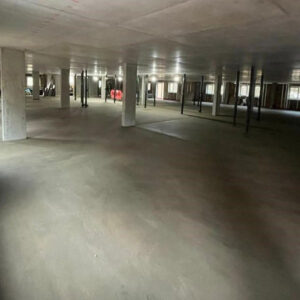 Quick-drying floor screed is becoming more and more popular and for good reason. This screed is mixed with special additives that help to reduce drying times. This means that the final floor solution can be laid much sooner. In commercial situations where long drying times mean more downtime and delays, quick-drying screed is essential.
The cost to install a screed additive is approximately £1.50 – £30 per m2 depending on variant used.
Quick-drying screed offers the following advantages:
- Extremely reduced drying times
- Final floor finishes can be laid sooner
- Suitable where high point loading or heavy traffic is expected
- Reduced drying shrinkage
- Light foot traffic in as little as 4 hours
Don’t Forget the Labour Costs
The average cost of labour per hour is £15 – £25 per m2. Choosing an experienced and professional team to install your screed will ensure a durable and even finish every time. The good news is that an average-sized room should only take around 6 hours to complete.
How Can I Save Money on Screed?
There are a number of ways you can save money on your screed project without compromising on quality. For example, choosing traditional sand and cement screed is less expensive than liquid screed. However, you will need to be mindful of the longer drying times.
Negotiating a fair price with your screeding contractor can also help to shave pounds off of the final price. Your contractor may also have ideas on ways you can reduce costs, such as reducing the thickness of the screed if the project allows it.
Get a Free Estimate For Your Screeding Project Today
If you are considering a new flooring project and have a need for screed, let us provide you with a free no-obligation competitive quote today.
We’d be delighted to tell you more about our screed systems and find out more about your project. From concrete and liquid screed to latex screed and quick-drying systems, we offer a wide selection of screed options under one roof.